

 Deutsch
  Français
  Español
  Русский
  Português
Toggle Latch vs Paddle Latch: Key Differences & Applications
Views : 1047
Update time : 2026-01-22 13:28:05
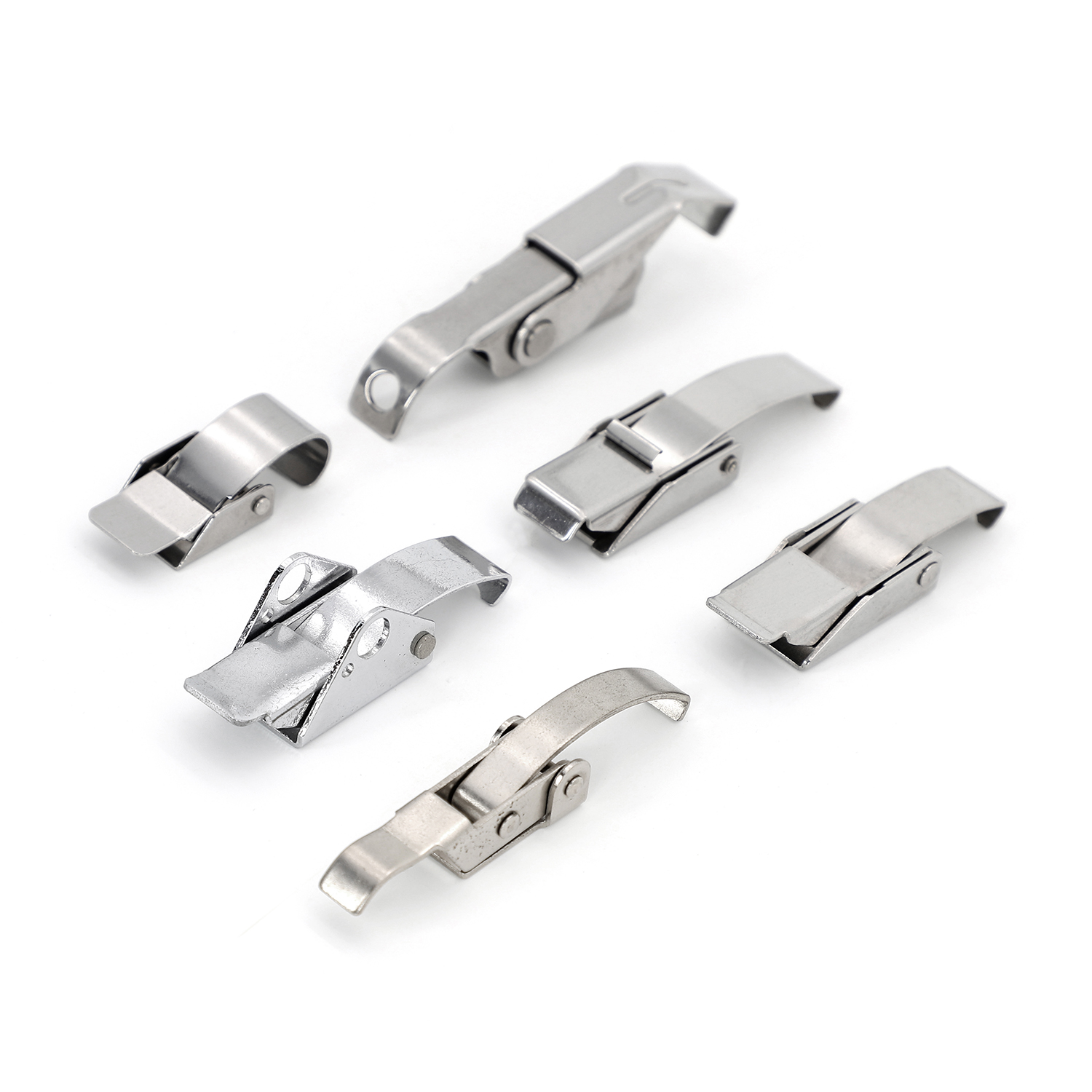
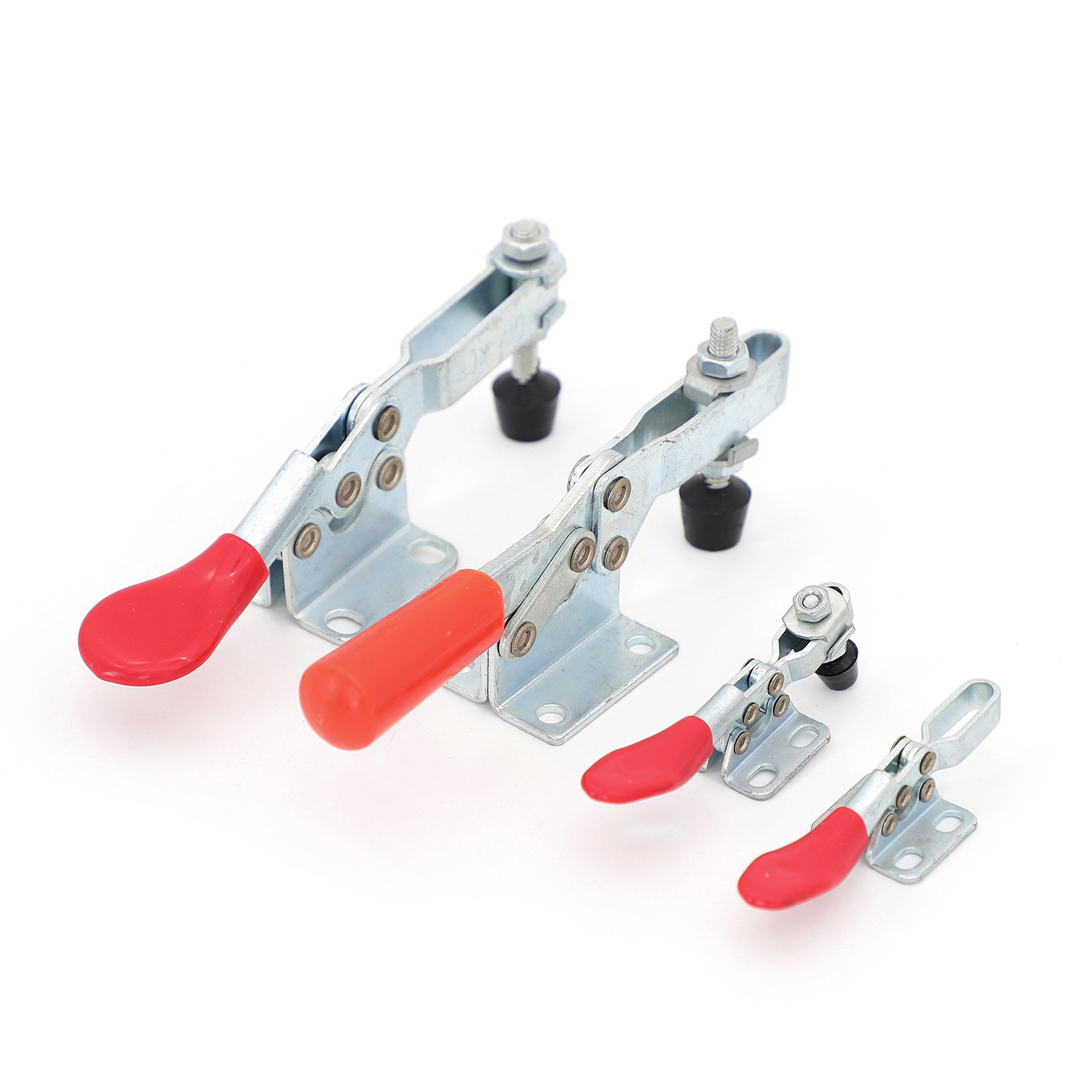
Toggle latches and paddle latches are two of the most common choices when deciding on industrial latching hardware. Both serve the same purpose of securing doors, panels, and enclosures, but they are quite different in terms of their design, operation, and best uses. Keeping in mind the principal differences of toggle latches and paddle latches can be of great help to engineers, buyers, as well as maintenance staff in selecting the most appropriate product for their needs.
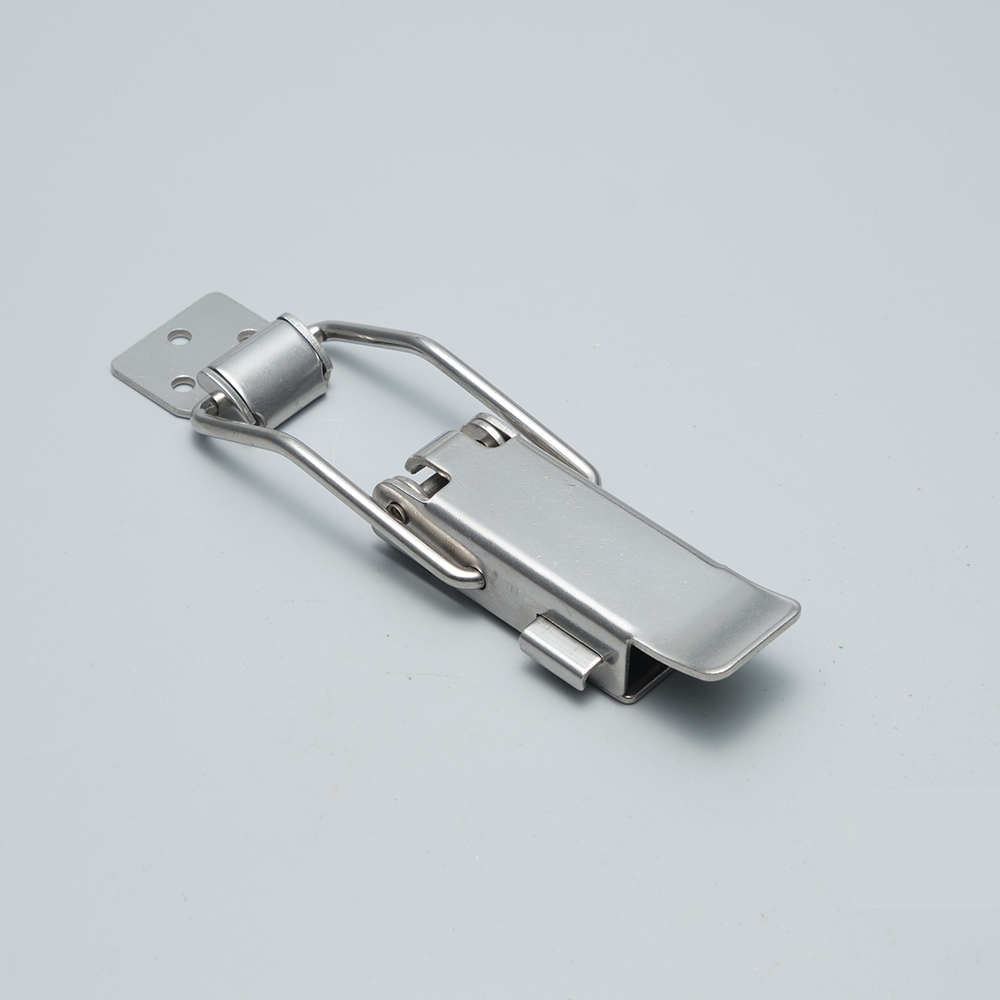
What Is a Toggle Latch?
A toggle latch is a fastening element that relies exclusively on an over-center mechanism for the generation of very strong clamping force. As the handle gets closed, the linkage moves over the centre point and the latch engages with maximum holding power. This kind of construction is extremely resistant to vibration or shock and for this reason, toggle latches are a favorite choice in factories or other industrial locations.
Generally, toggle latches can be found being used on machinery covers, toolboxes, industrial enclosures, transport cases, and equipment panels, basically anywhere one might need both a very strong holding force and a fast access. Since many toggle latches come with an adjustment feature, users can adjust tension to the best level to ensure not only correct alignment but also that the seal is always consistent.
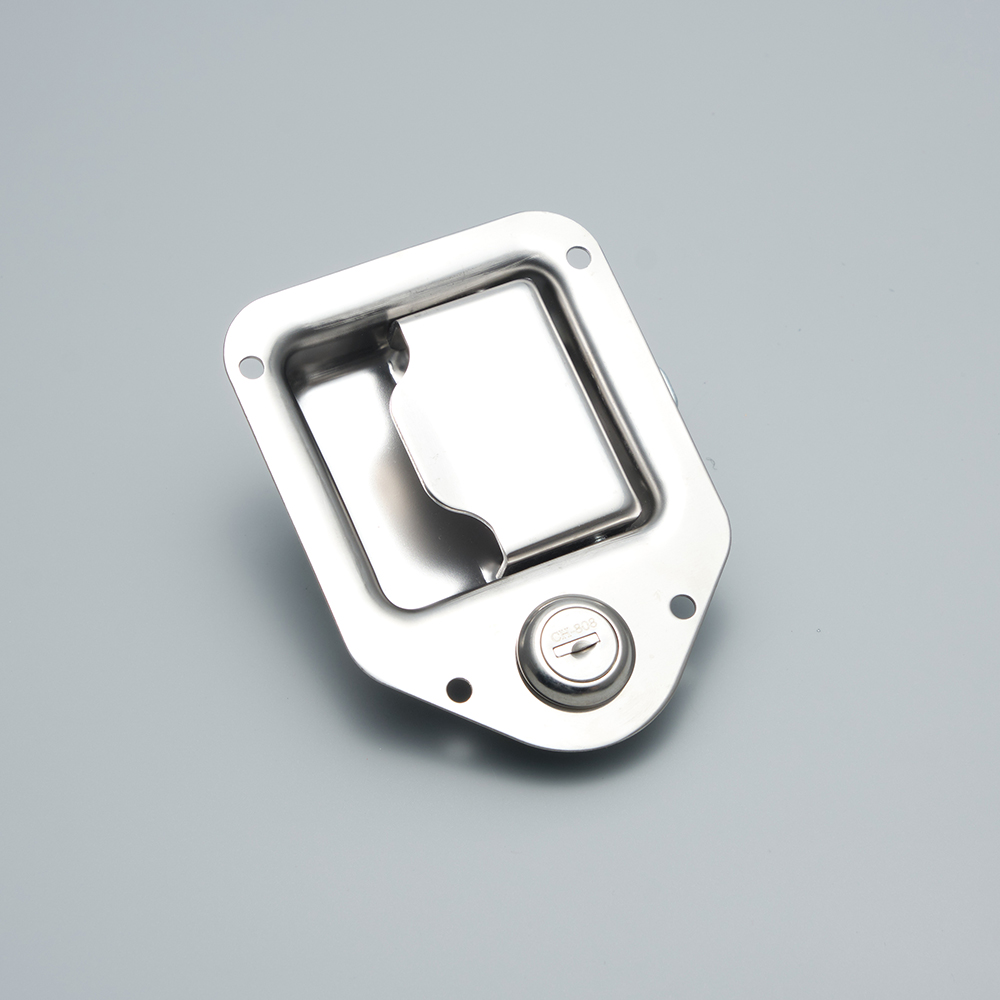
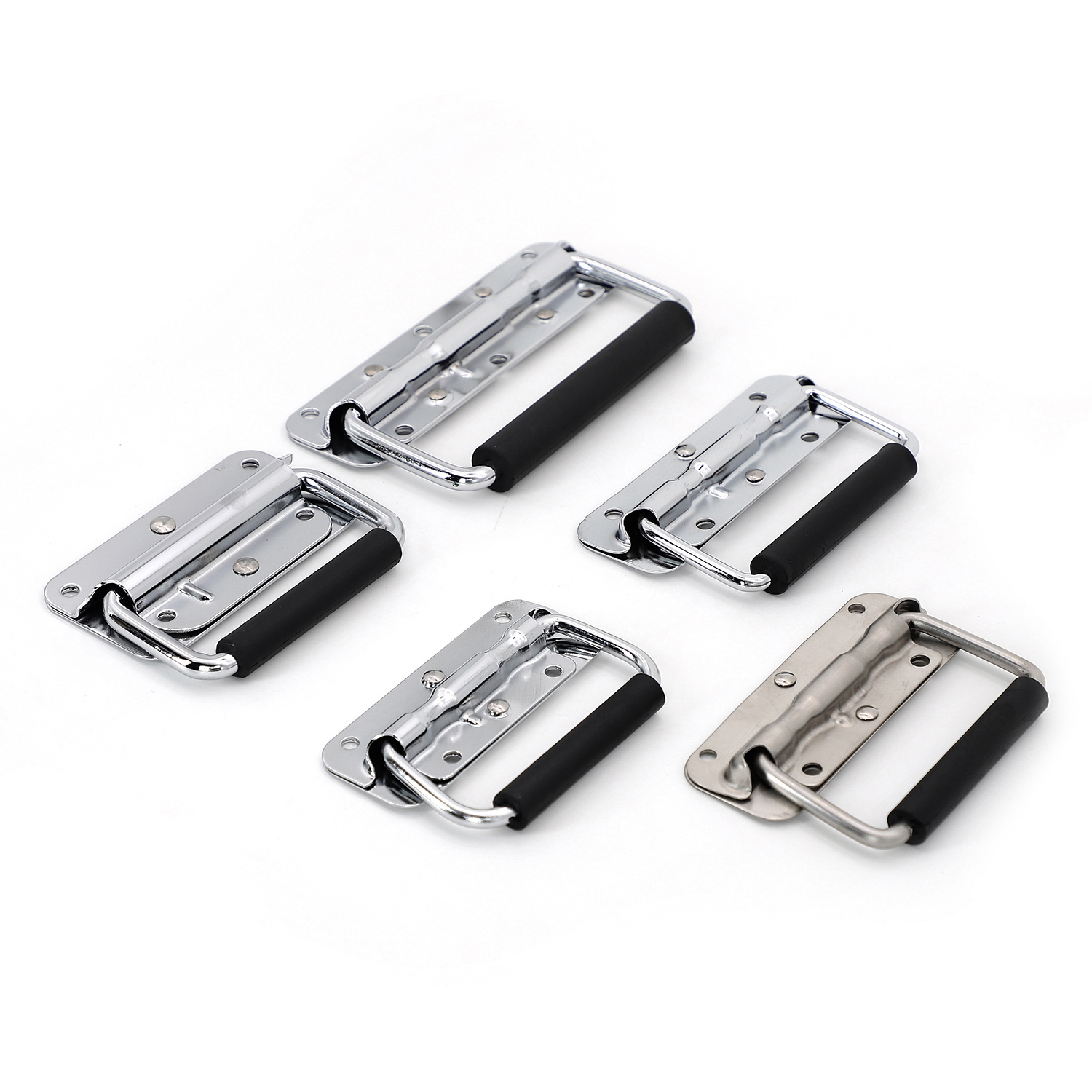
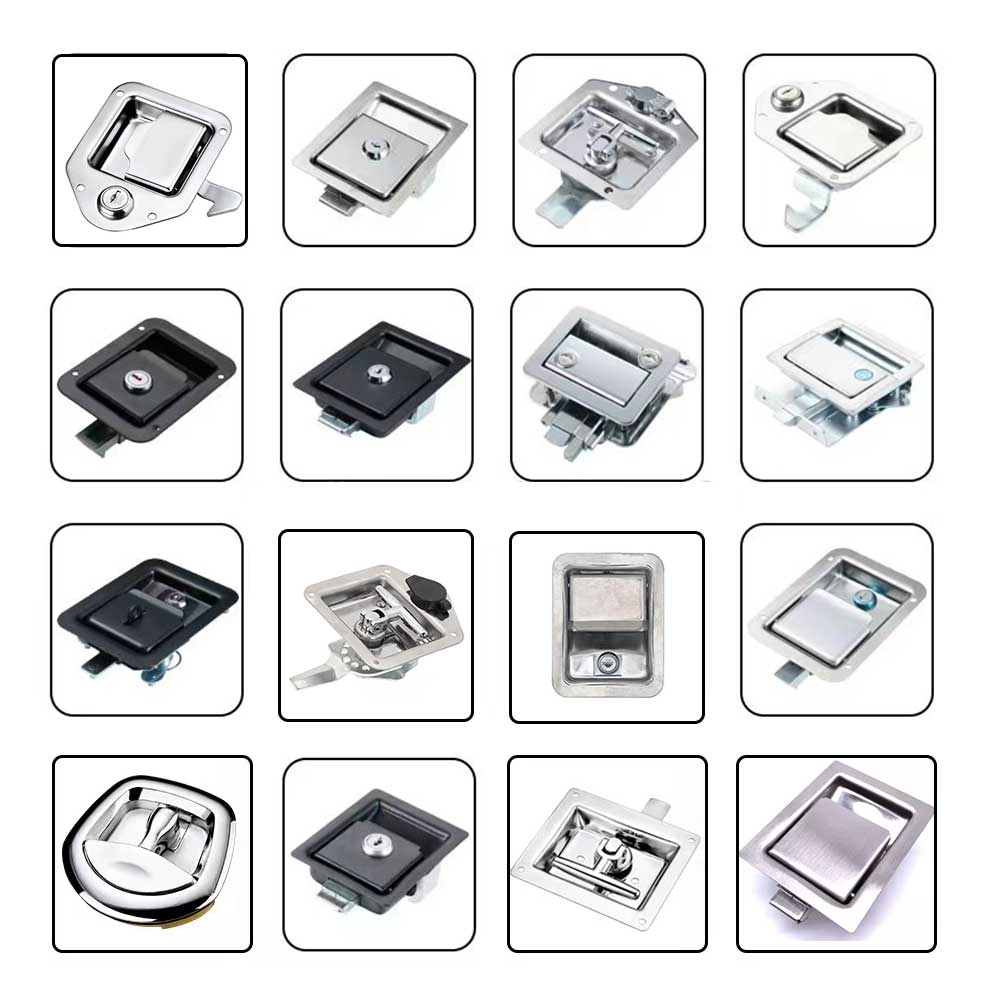
What Is a Paddle Latch?
The main element of a paddle latch is a recessed handle that is flush-mounted and when closed is lying flat at the panel surface. In order to release the latch, the operator either presses or pulls the paddle thereby initiating an internal cam or linkage to activate. A flush handle is a safer and more pleasing option since it does not have any protruding parts.
Paddle latches are often seen installed on equipment doors, electrical cabinets, vehicle compartments, RV storage doors, and access panels. They are being used increasingly to satisfy those criteria of a neat outer appearance, lowering the risk of catching on a protruding part, and limiting the access which causes the abandonment of unwanted consumers in the area. Besides this, paddle latches may also be optionally equipped with keys or padlocks for the purpose of increasing the level of security.
Key Differences Between Toggle Latch and Paddle Latch
1. Locking Mechanism
Toggle latches depend on an over-center action for locking which gives them a very strong consistent clamp. Paddle latches usually operate with a cam-based mechanism mainly focusing on controlling access rather than creating a high clamping force.
2. Load Capacity
Toggle latches are made with higher load capacity in mind and hence are ideal for situations where there will be vibration, pressure exposure, or heavy loads. Paddle latches are made for light load scenarios and the nature of their design revolves more around frequent accesses than achieving high holding strength.
3. Design and Safety
Paddle latches are of a flush-mount design that enhances operator safety as well as looks. A toggle latch is a hardware that often protrudes from a surface, thus it is considered permissible in industrial environments but not ideal from the viewpoint of space or appearance.
4. Ease of Access
Both of these latches allow fast operation. However, Paddle latches are an excellent choice for doors that are always opened and closed. Toggle latches are the ones that are recommended if the priority of the fastening is utmost security.
Typical Applications Compared
Toggle latches are most suitable for industrial machinery, transport cases, vibration-prone equipment, and heavy-duty enclosures. Paddle latches are made for the compartments of the vehicle, electrical cabinet, access doors, and the like where the outside look is controlled and users' safety is top priority.
How to Choose the Right Latch
Deciding between a toggle latch and a paddle latch depends on what the application needs. If you require a high clamping force, resistance to vibration, and adjustability, going with a toggle latch will probably be a great decision. On the other hand, if a flush mount, a good look and safety of access mean more to you, then a paddle latch will become your solution of choice.
Conclusion
Toggle latches as well as paddle latches, both are indispensable in industrial and commercial applications. By comprehending their principal differences in mechanism, load capacity, and design, you will be able to decide on the right latch that can provide safety, functionality, and long-term reliability.
Related News
Read More >>


