

 Deutsch
  Français
  Español
  Русский
  Português
How Do Toggle Latches Contribute to Workplace Safety in Industrial Applications?
Views : 638
Update time : 2026-01-13 14:59:39
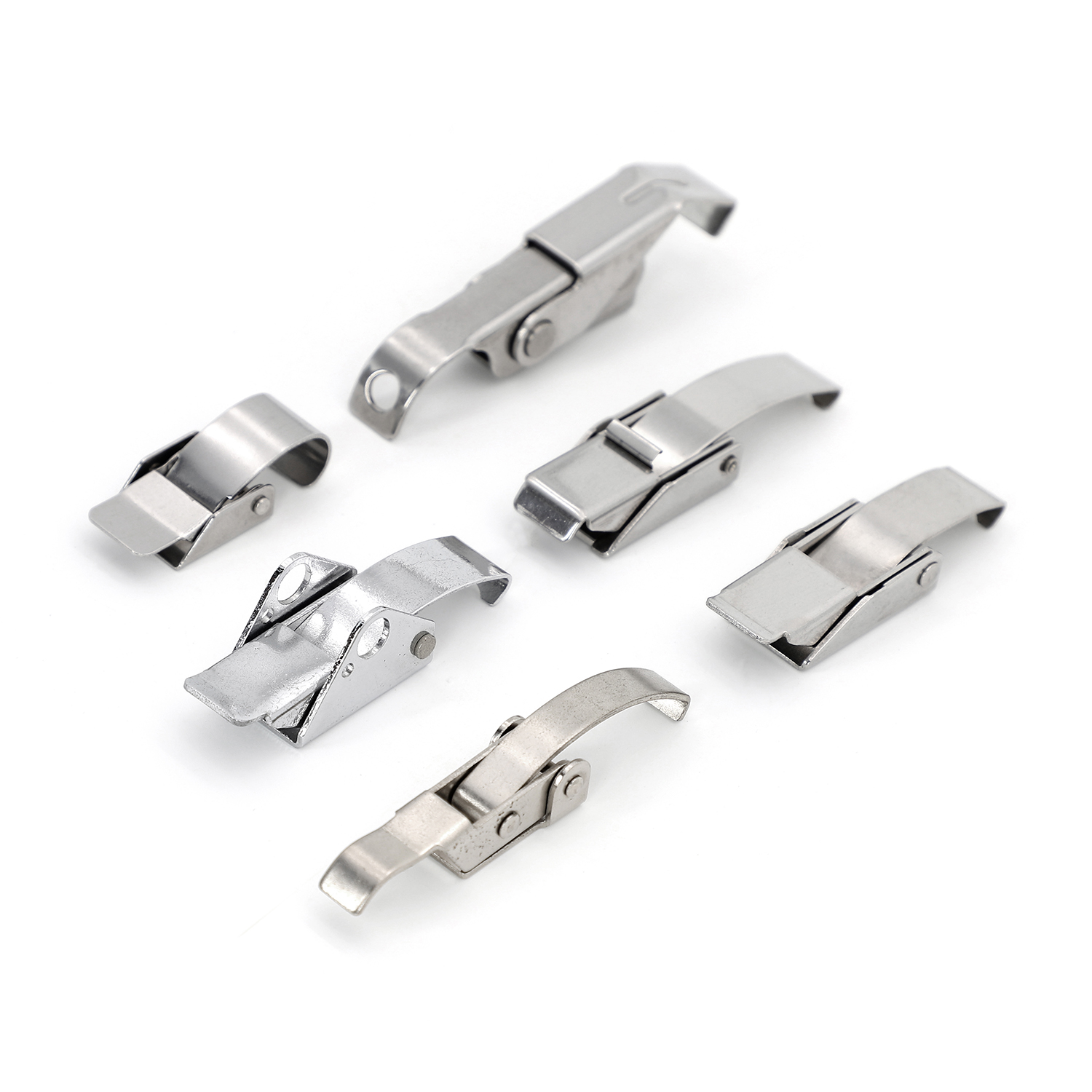
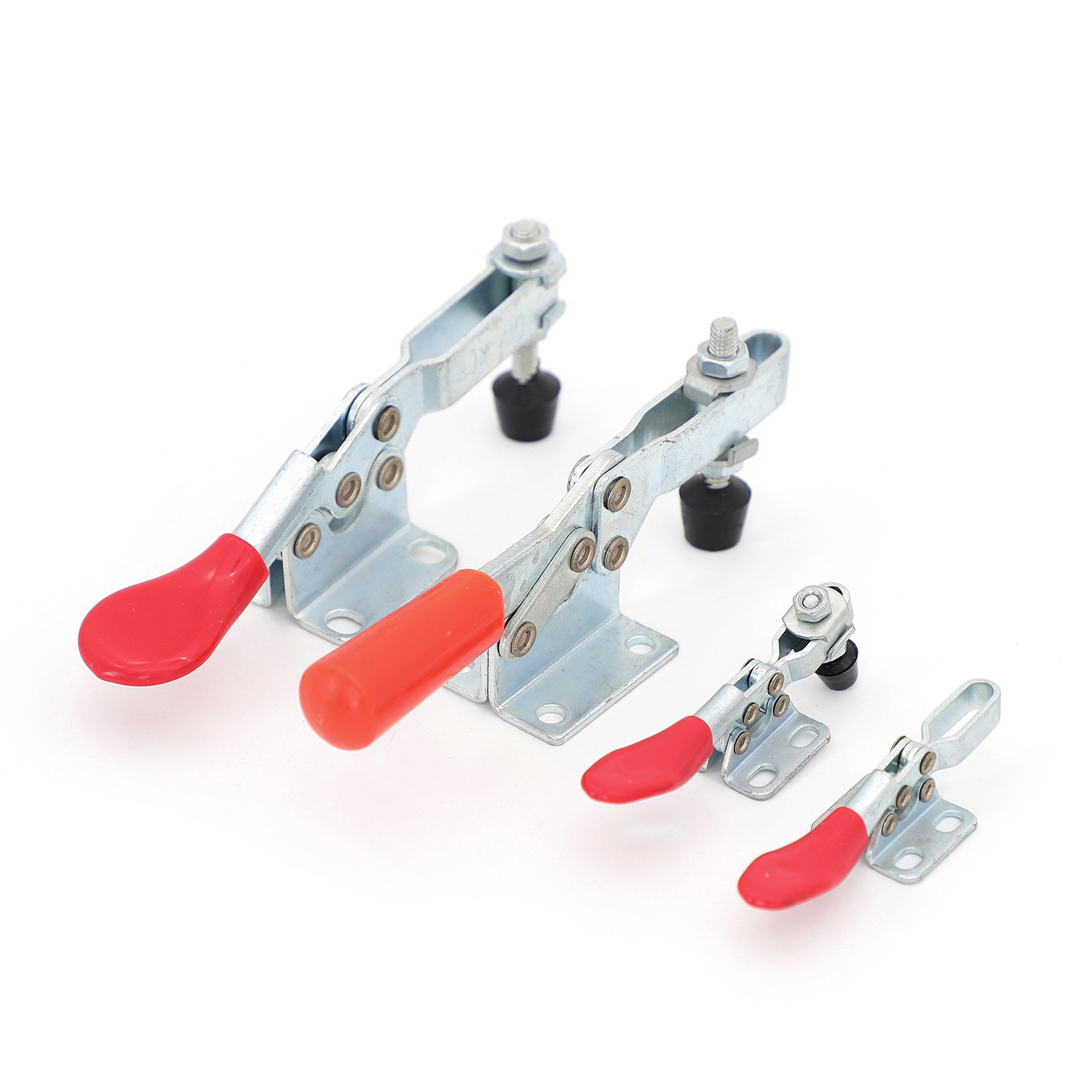
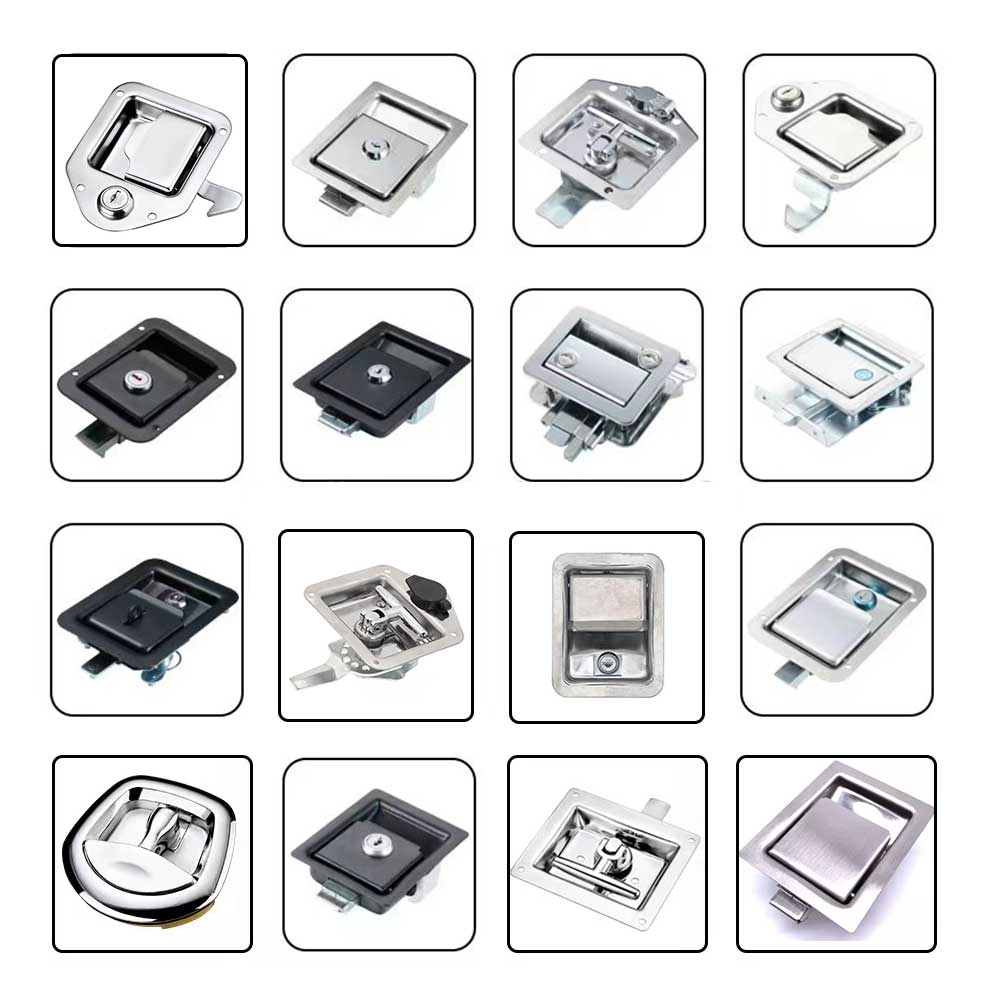
Industrial hardware plays a major role in the safety of the workplace, yet this role is often overlooked. Toggle latches in particular, help enhance safety by fastening securely, stabilizing the position, and regulating the access. When correctly chosen and implemented, toggle latches not only preclude the inadvertent opening, shifting or misalignment but also greatly diminish the chances of an equipment failure or operator injury.
Prevent Accidental Opening with Secure Fastening
A major safety advantage of toggle latches is that they offer very strong and dependable fastening. They mainly use an over-center locking mechanism which can keep panel, door, and cover tightly locked together. When the latch fastens, it becomes resistant to opening caused by vibration or external force, thereby making it very difficult to open unintentionally. This is very crucial for machinery guards, electrical enclosures, and access panels, which, if opened accidentally, could result in exposure of operators to moving parts or live electrical components.
Stable Positioning when Loaded and Vibration
Industrial devices are, in most cases, subjected to vibrations, impacts, and repeated motion works. Toggle latches keep doors and panels stable in their position even when the environment is dynamic. By providing uniform clamping force, they keep away the small loosing that leads to misalignment or failure of the component. In the case of manufacturing machinery, transport containers, or vehicle compartments, this feature of the latches directly contributes to the safety of the operation.
Controlled Movement and Safe Access
Toggle latches facilitate the controlled opening and closing of the equipment panels. An operator can easily disengage the latch for maintenance or inspection. At the same time, a secure lock is available during the normal operation. Controlled access is one of the major points in the use of latches as this helps in minimizing the risk of sudden conditioned panel movement or release which is something that could cause hand injury or equipment damage.
Compliance with and Support of Safety Standards
Machine guarding and enclosure security are two areas that strict regulations are imposed. Manufacturers and facility operators can easily meet these regulations by the use of toggle latches that provide secure closure systems which are capable of remaining closed even during the equipment operating cycle. Further protection against accidental release in high-vibration or high-load applications is offered by safety hook toggle latches or secondary-lock designs.
Reducing Maintenance Risks and Downtime
Failure or loosening of hardware is frequently the main factor in safety incidents and also causes downtime that was not planned. When toggle latches have the right load ratings and safety margins, they can reduce wear and fatigue and thus the probability of failure is decreased. Besides, this makes the work environment safer, it also helps decrease the maintenance hazards that are related to working with misaligned or unstable panels.
Material Choices and Environmental Safety
Toggle latches can be made from stainless steel, coated steel, and high-strength polymers. Material selection is crucial as it not only guarantees the dependable operation but also considers the corrosive, high-temperature, or outdoor conditions. The use of corrosion-resistant toggle latches ensures that they retain their strength and locking capability over time, thus, considerably mitigating the safety hazards that arise from the deterioration of materials.
Conclusion
Toggle latches contribute to workplace safety by providing secure fastening, stable positioning, and controlled movement of industrial equipment components. By preventing accidental opening, shifting, and misalignment, they help reduce the risk of equipment failure and operator injury. Choosing the right toggle latch design, load capacity, and material is a practical and effective way to enhance safety in industrial workplaces.
Related News
Read More >>


