

 Deutsch
  Français
  Español
  Русский
  Português
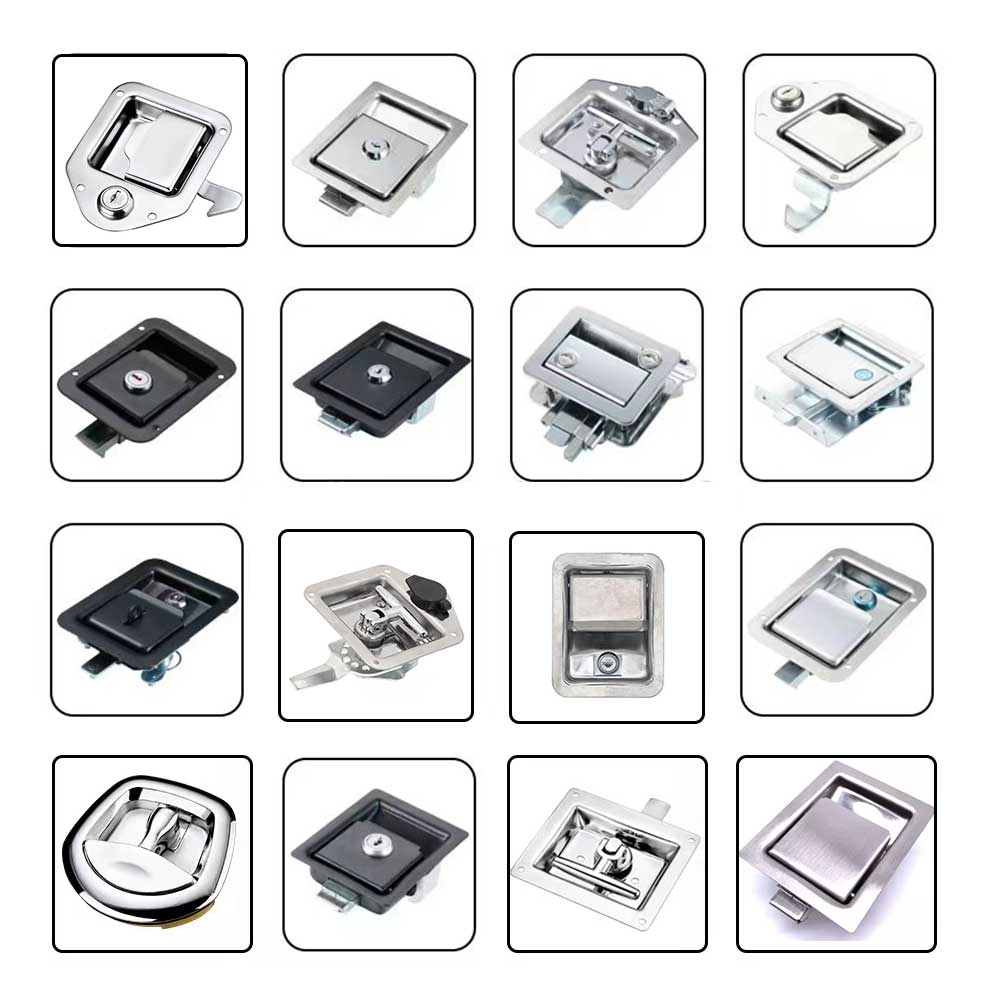
How to Choose the Right Toggle Latch for Industrial Applications
Views : 781
Update time : 2025-12-19 16:40:45
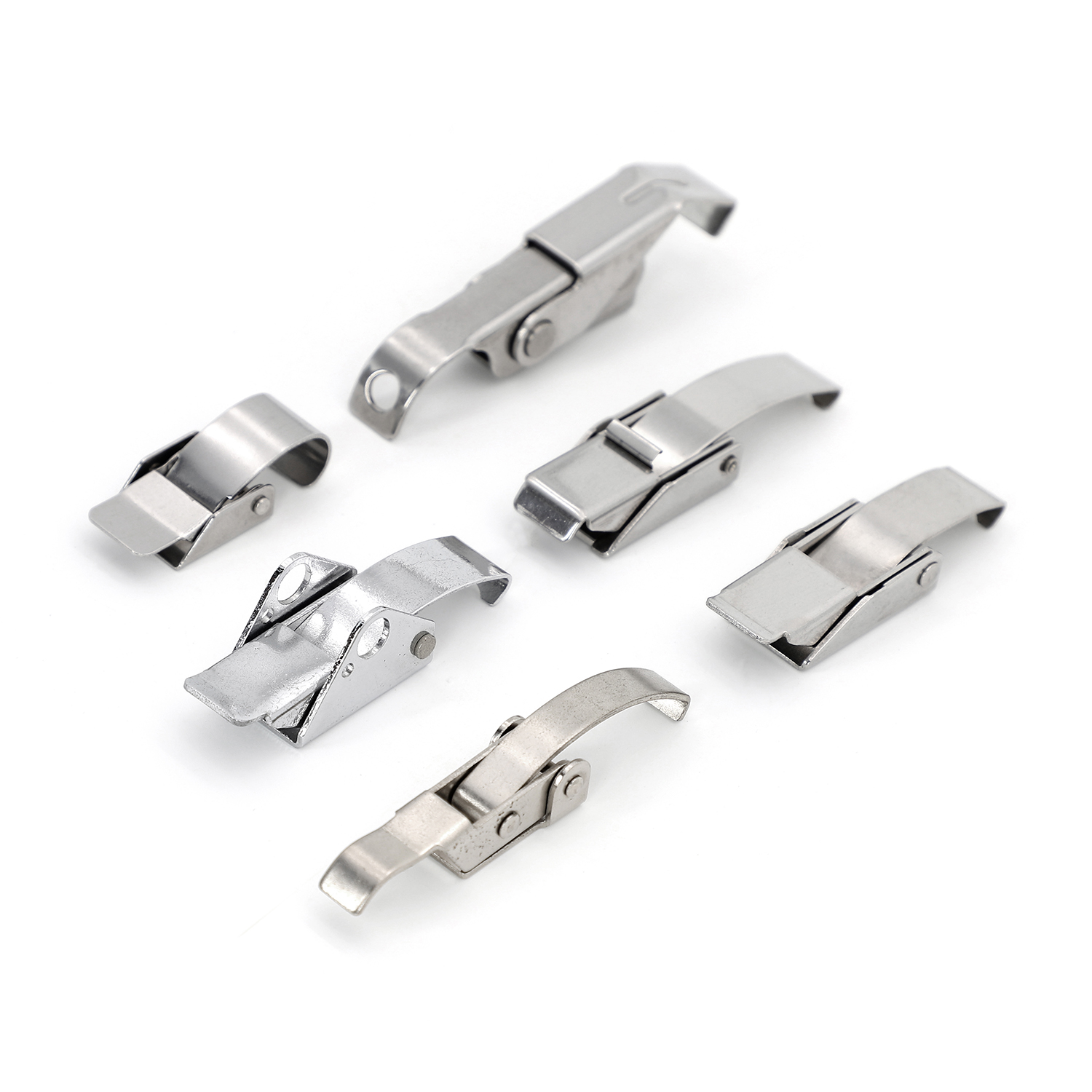
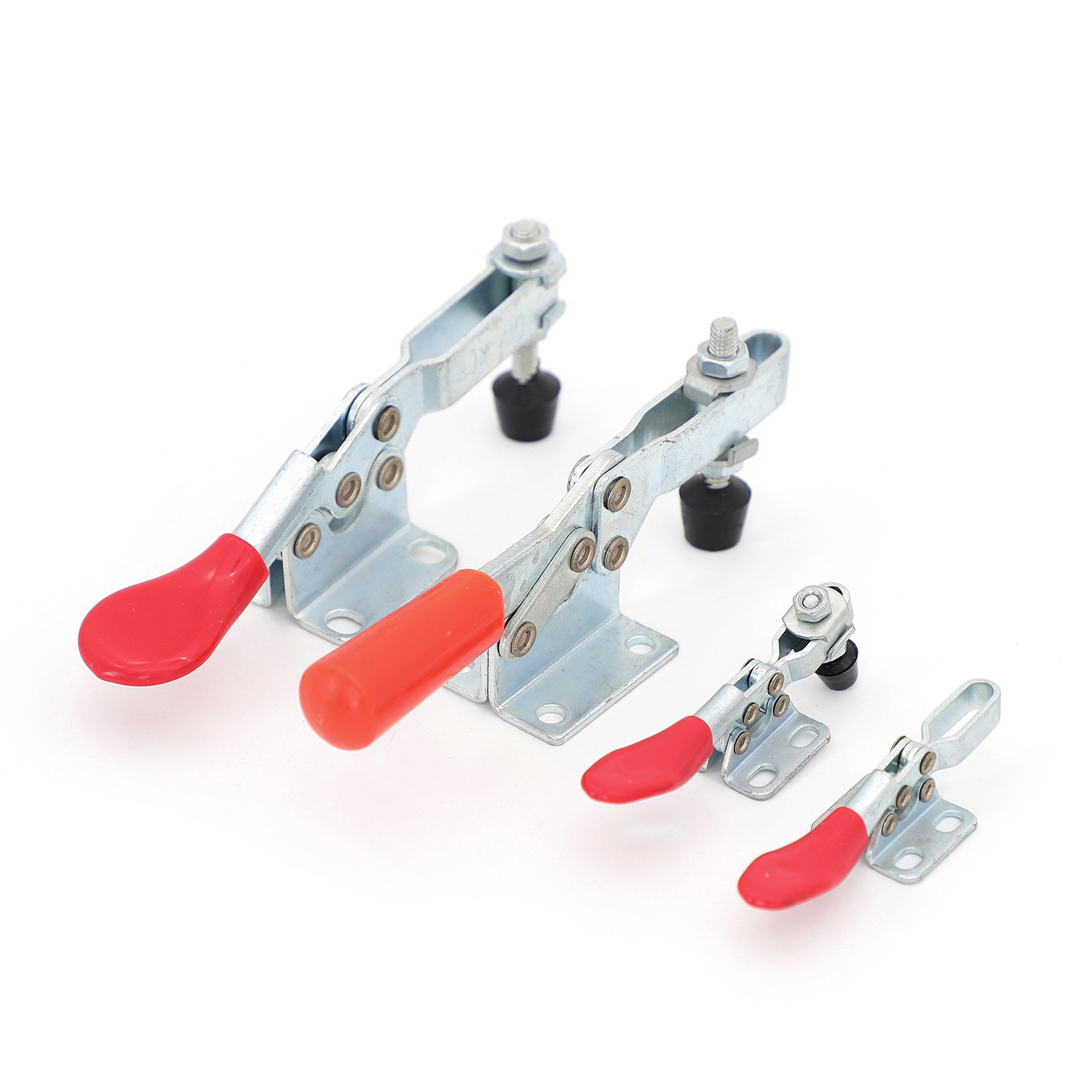
Toggle latches are widely used mechanical fastening solutions in industrial environments, valued for their secure locking performance, quick operation, and simple structure. They are commonly applied to doors, access panels, cabinets, toolboxes, and industrial machinery. Despite their straightforward appearance, choosing the correct toggle latch requires a structured evaluation of application needs, environment, and performance requirements. This guide outlines the key factors to help you select the most suitable toggle latch for industrial use.
1. Clarify Your Application Needs
Before selecting a toggle latch, clearly define how and where it will be used. Consider what the latch is intended to secure, such as equipment panels, vehicle compartments, or electronic enclosures. Environmental exposure is equally important—will the latch operate in high humidity, corrosive atmospheres, extreme temperatures, or under constant vibration? You should also determine the required load capacity, accounting for both static and dynamic forces. For applications involving frequent opening and closing, durability and cycle life become critical selection criteria.
2. Choose the Right Material
Material selection directly affects strength, corrosion resistance, and service life. Stainless steel toggle latches are ideal for harsh or corrosive environments, including marine, chemical, and outdoor applications, while also supporting higher load requirements. Carbon steel latches with zinc plating or powder coating offer a cost-effective option for general industrial use but provide limited corrosion resistance. Plastic or nylon toggle latches are lightweight, non-conductive, and suitable for low-load or electronic enclosures. For demanding environments, corrosion-resistant materials should always be prioritized.
3. Evaluate Load Capacity with Safety Margins
Each toggle latch is rated for a maximum load capacity. Always select a latch with a load rating higher than the calculated requirement to ensure safety and long-term reliability. Light-duty latches typically handle 50–200 lbs, medium-duty options range from 200–1,000 lbs, and heavy-duty toggle latches exceed 1,000 lbs for large equipment or industrial panels. Ignoring proper load ratings can result in latch failure and potential safety risks.
4. Select the Appropriate Latch Type
Toggle latches are available in several configurations to suit different operational needs. Standard toggle latches use a simple over-center mechanism for basic locking. Adjustable toggle latches allow fine-tuning of clamping force, making them ideal for applications requiring precise alignment. Safety hook latches provide secondary locking for high-vibration environments, while push-to-close latches enable quick, one-handed operation. Matching the latch mechanism to your workflow improves efficiency and safety.
5. Consider Size and Ergonomics
The physical dimensions of the latch must fit the mounting surface without interfering with nearby components. Lever length affects mechanical advantage and space requirements. In industrial settings, ergonomic features such as textured grips or glove-friendly designs can significantly improve usability, especially in oily or cold conditions.
6. Check Compliance and Supplier Support
For regulated industries, ensure the toggle latch complies with relevant standards such as ISO 9001, MIL-SPEC, or RoHS/REACH. Reliable suppliers should offer technical support, customization options, and warranty coverage to ensure long-term performance and compliance.
By carefully evaluating these factors, you can confidently choose a toggle latch that delivers secure fastening, operational efficiency, and durability for your industrial application.
Related News
Read More >>


