

 Deutsch
  Français
  Español
  Русский
  Português
How Important Load Capacity Is in Selecting Industrial Hardware?
Views : 473
Update time : 2025-12-26 13:31:04
A Look at Toggle Latches
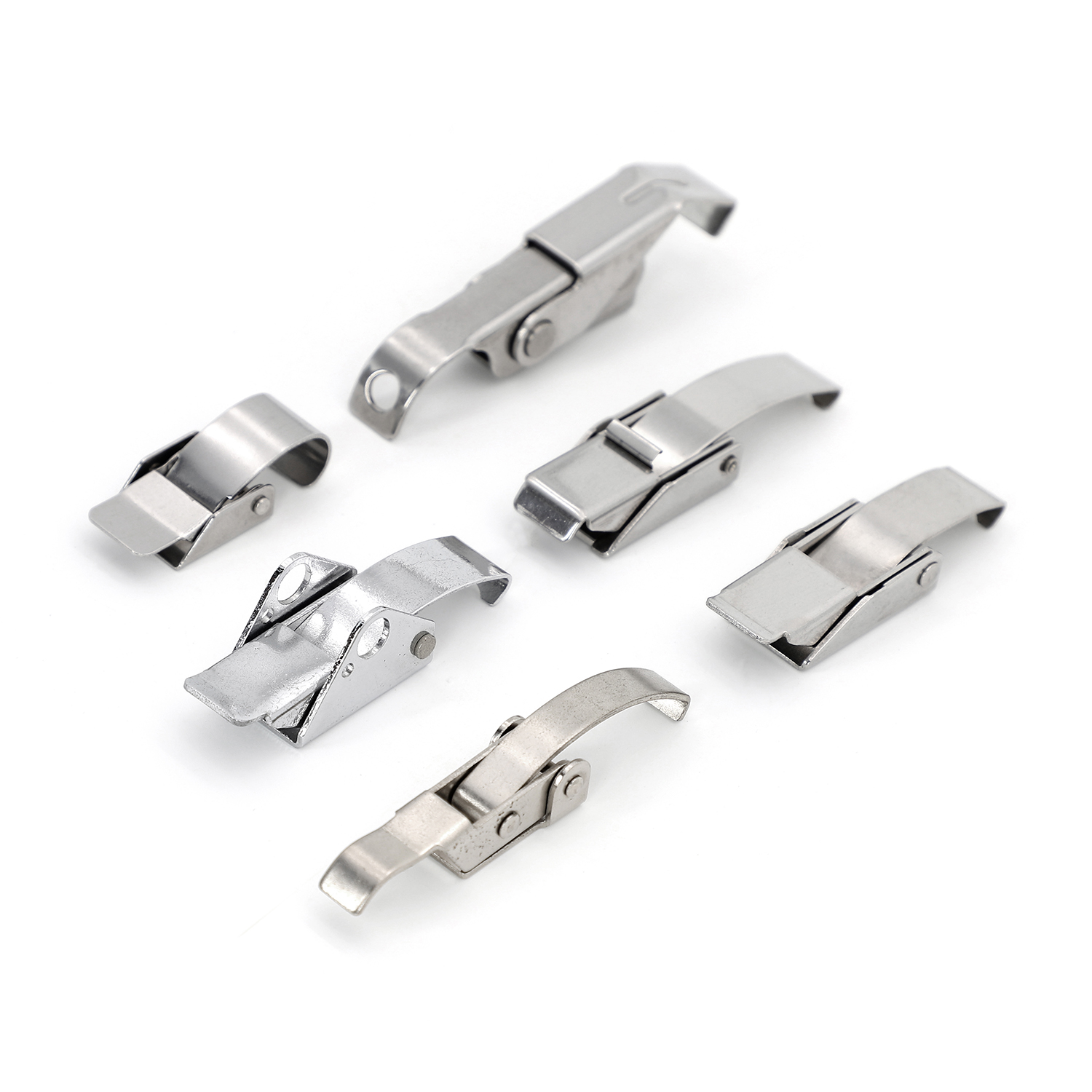
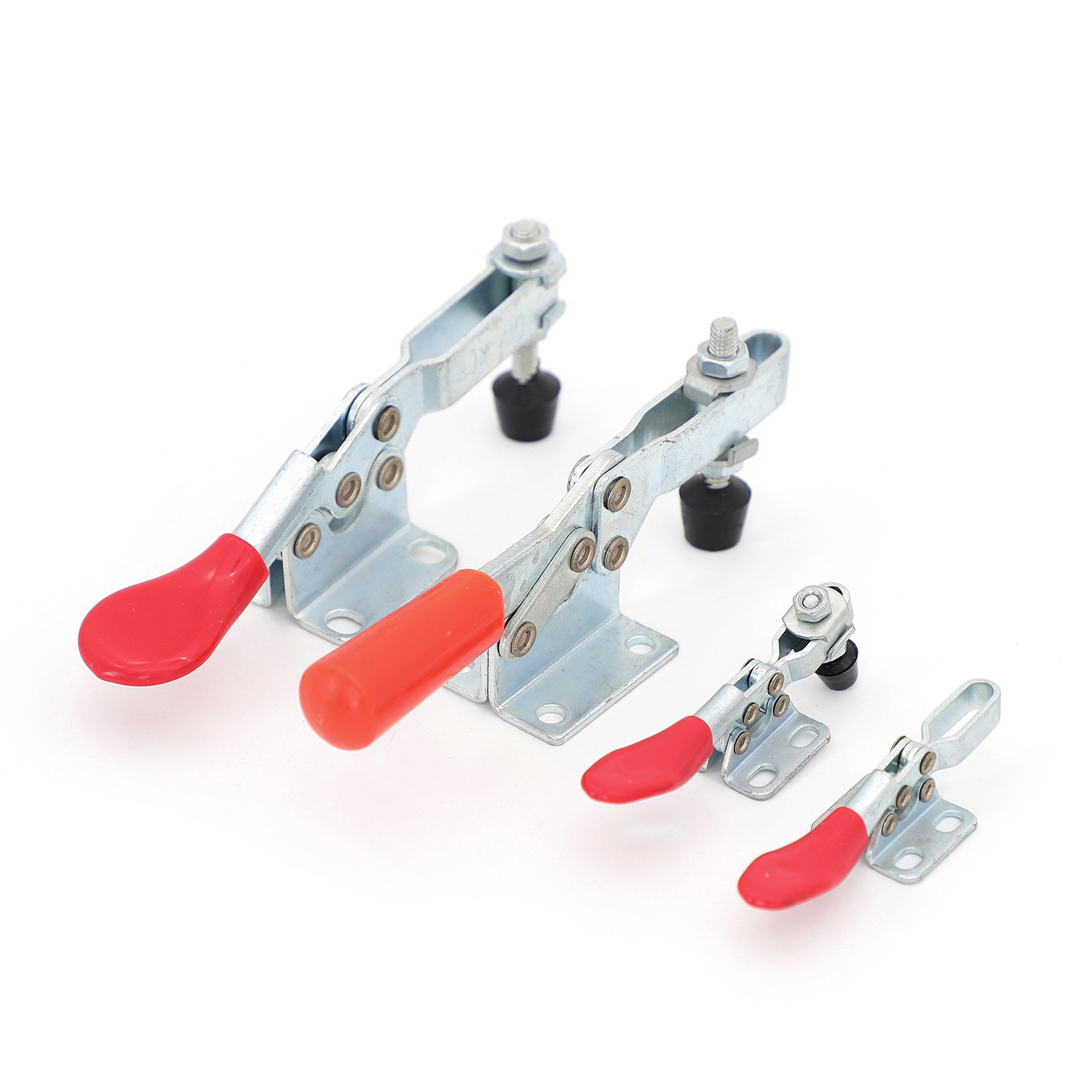
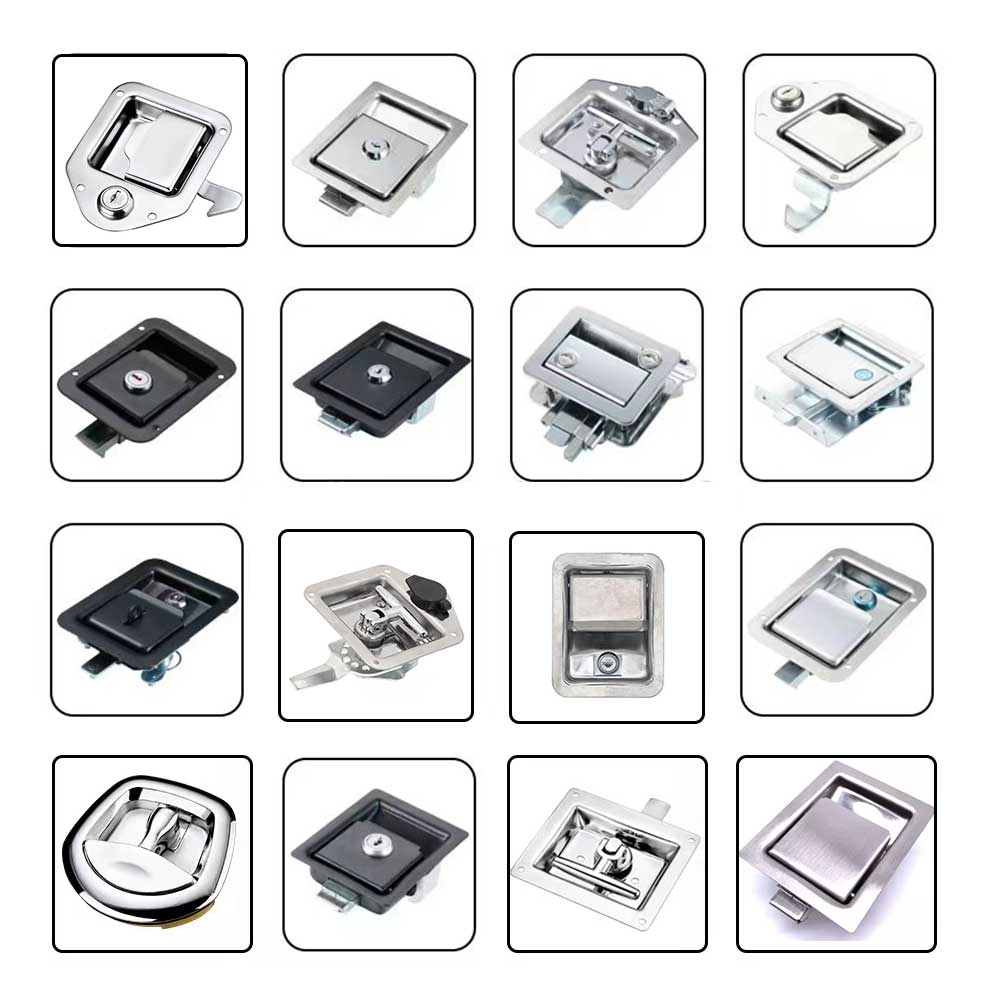
When considering the purchase of industrial hardware, load capacity should be a factory that is carefully considered. This statement is particularly accurate for toggle latch products. Toggle latches have a broad range of applications, and they are utilized for the fastening of panels, doors, enclosures, and the covers of equipment in the industries of automotive, mechanical, and general industrial. Their cyclicity and simplicity of use notwithstanding, performance and safety are two aspects that largely depend on choosing the right load rating with a sufficient safety factor.
What is the Role of Load Capacity in Toggle Latches?
Load capacity is basically a measurement of the maximum force the clamp can resist while still holding the object securely. Toggle latches, in fact, receive a tremendous amount of the minute hitting, turning open and close, and sometimes, they are hit with a huge force. If the clamp selected has a load capacity that is very close to its limit, the accumulated effect of these dynamic forces can make the clamp come off, be deformed, or become faulty. Therefore, if you pick a toggle latch with enough load capacity, it will be able to perform the function of fastening you want to achieve in a very resistant and safe way and will not go out of operation for a long time.
What are Static Loads and Dynamic Loads in Toggle Latch Applications?
A lot of purchasers have always been thinking that only static loads are important, but that is not true. Static loads are taken into account when considering the force exerted when a latch is locked and in that state, the force is constant and unchanging. A dynamic load is defined as the force caused by movements, such as vibrations and impacts, that take place when the latch is in use transporting machines, storage units or doing automotive work are some of the situations where the toggle latches undergo flash vibration and are frequently being used. To be able to cope with such cases, it is quite vital to have a highly rated latch with a margin safety built inside it in order not to suffer from locater failure or to get fatigue damage due to the attack of continuous and excessive stress.
The Importance of Safety Margins
Safety margin refers to the practice of going far above the actual load in choosing a toggle latch. This extra area is for the unexpected misses, the installation tolerance, and material fatigue that could potentially happen. Generous safety margins in applications involving a high load or high frequency extend the service life and limit the costs of maintenance considerably. Besides, it is a safety factor that works by minimizing the risk of sudden latch failure that can occur during operation.
Matching Load Capacity with Latch Type
Various design types of toggle latches deliver the capability of load in a different way. The use of standard over-center toggle latches suffices for normal industrial operations, however, adjustable toggle latches permit the user to vary the clamping force and thus facilitate the maintenance of a regular load distribution. Heavy-duty and safety hook type toggle latches are made for use in situations characterized by a high level of load and vibration. Besides the material and finish, the choice of the right latch type with the suitable load rating is equally important.
Environmental Factors Affecting Load Performance
The surrounding conditions may unsettle how much load a toggle latch can consistently carry. In time, corrosion, very high or low temperatures, and contact with chemicals may lead to the weakening of materials. Steel toggle latches resistant to rust are generally the one that is not only more load rating but also keeps strength and reliability all along their service life in severe environments.
Long-Term Value and Reliability
Nevertheless, the bigger load-rated toggle latches that might be more expensive in the beginning can be the ones to give a better long-term value anyway. Less downtime, more security, lower costs of replacements basically makes them the best choice for industrial applications. Conversely, underrating latches could result in recurrent failures and escalating operational risks.
Conclusion
Toggle latches load capacity is an imperative aspect of the industrial hardware selection process. With the reliable and adequate operation, the latches that have a safety margin load capacity in excess of the actual operating load must always be chosen to ensure stability, safety, and extended service life, especially if the application is dynamic or high load. Appropriate load selection is indeed a necessity for dependable performance and long-term efficiency.
Related News
Read More >>


